
Trintech Close Task Management
Keep every close on track — without the chaos
Coordinate complex close cycles with intelligent workflows, real-time tracking, and control built in.
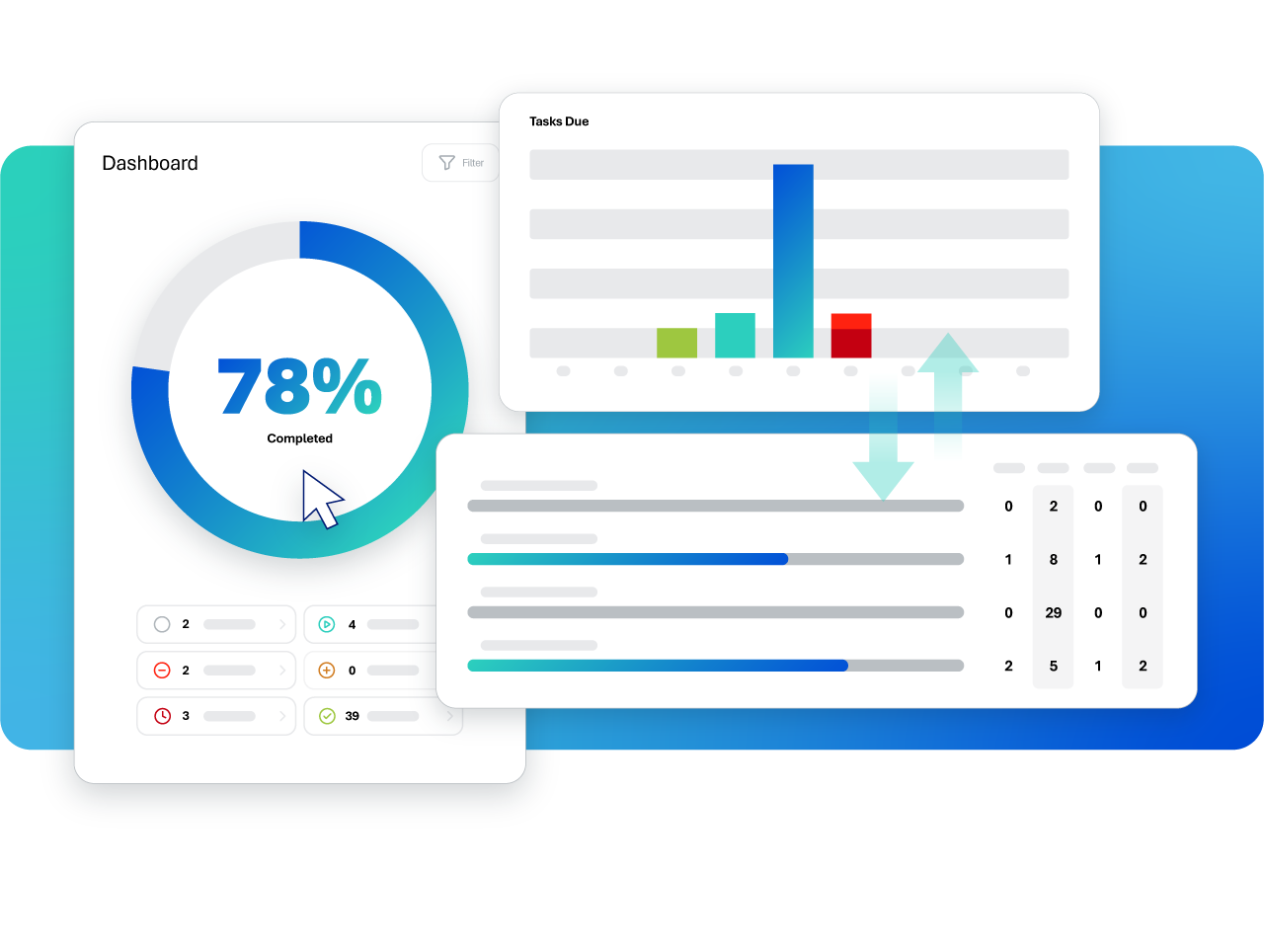
Trintech Close Task Management Use Cases
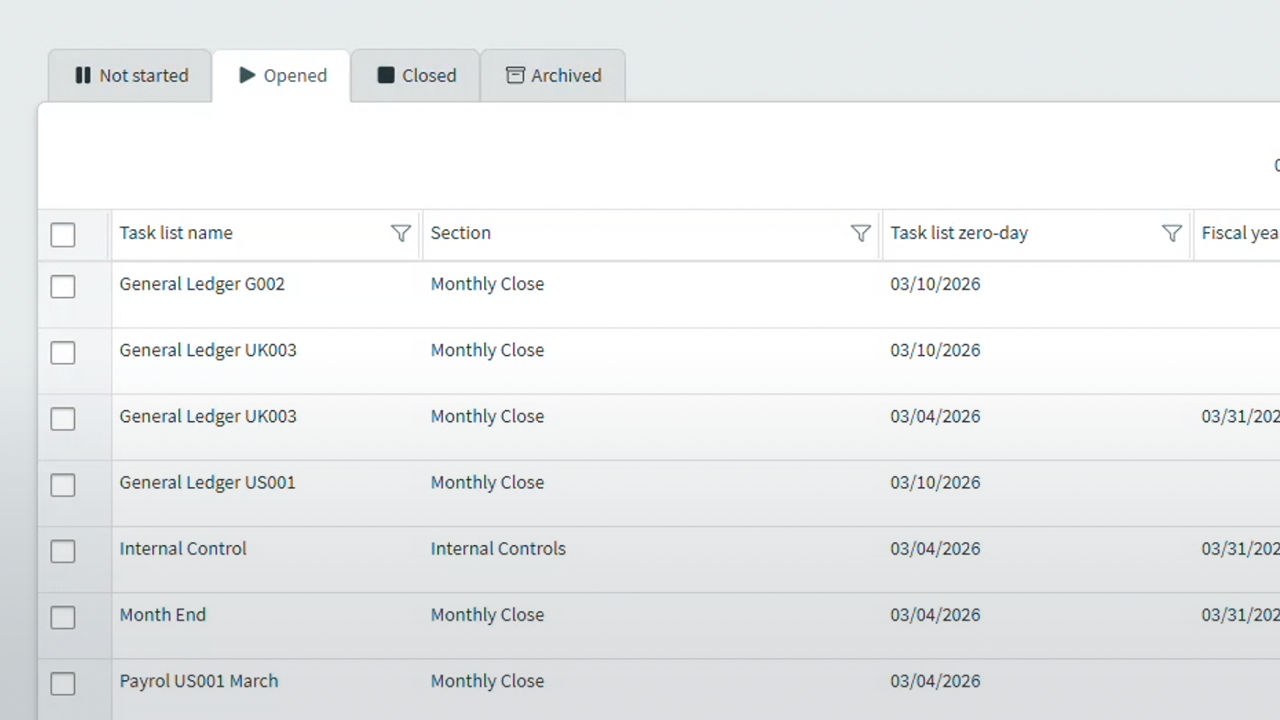
Month-End Checklist
Streamline and centralize month-end close checklists, ensuring every task is assigned, tracked, and completed on time using close task tracking software for a faster, more accurate close.
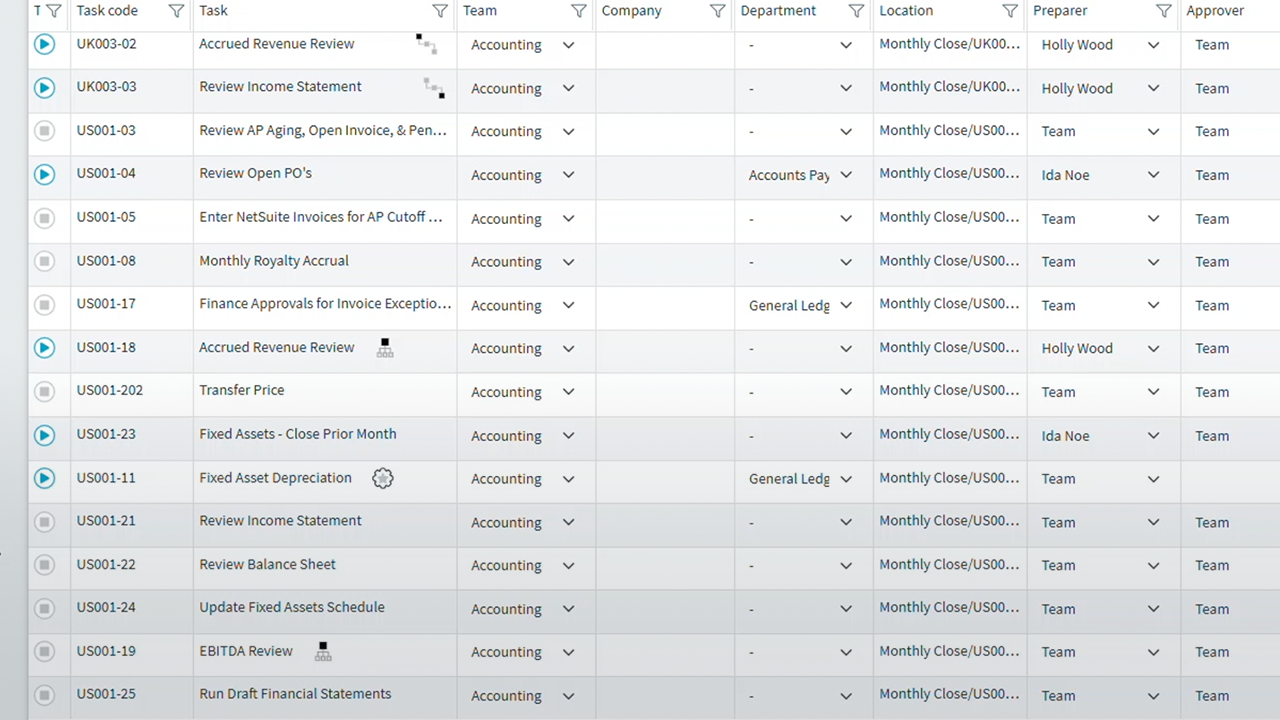
Operational Workflow Optimization
Orchestrate complex financial workflows across teams, automating handoffs and standardizing processes to reduce key personnel dependencies and improve efficiency, accuracy, and auditability.
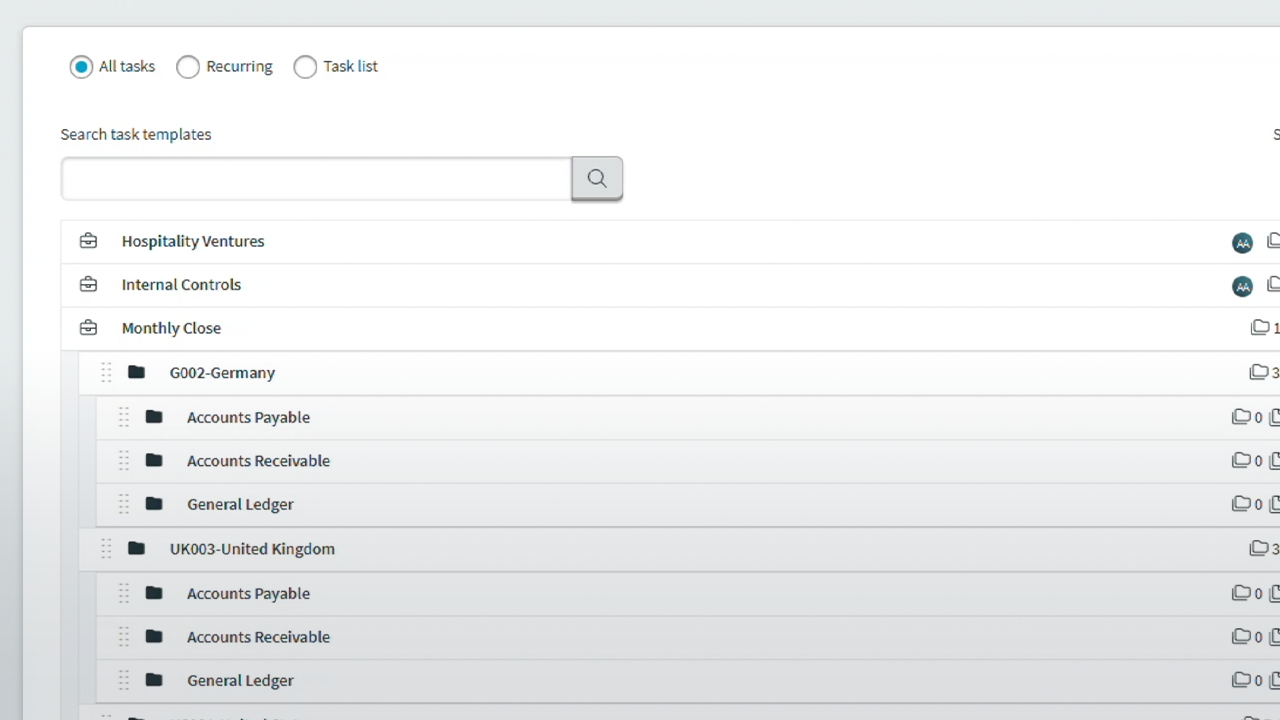
Standardize Shared Services Center (SSC) Activities & Calendars
Centralize and standardize SSC calendars, tasks, and workflows so global teams operate consistently and efficiently across entities and locations.

Close Readiness for Mergers & Acquisitions (M&A)
Prepare for and manage the increased financial complexity of M&A activity by standardizing close tasks, maintaining compliance, and ensuring timely access to critical documentation.

Environmental, Social, and Governance (ESG) Task List
Deploy a structured workflow for managing ESG reporting tasks, ensuring data completeness, accountability, and timely preparation for evolving regulatory requirements.
Real Results. Real Impact.
The Dallas Cowboys: Faster close with real-time visibility

Highlights
-
 Real-time close task dashboards provide full control and visibility into the month-end close
-
Achieved time savings throughout the month-end close
-
Improved morale and productivity across accounting team and eliminated the need for micromanagement
The ability of the Task Manager product to inform the next person down the line of what was due has been extremely helpful and allowed us to be much more consistent on our days to close and much more efficient in our closing process.
Read Case StudySelectQuote Gains Complete Visibility and Control into Their Reconciliation and Financial Close with Trintech

Highlights
-
Real-time dashboard provides full visibility and control across 300 accounts and 200 tasks
-
Complete documentation trail makes it easy for auditors to find what they need
-
Time savings throughout the month-end close with removal of manual work
A central dashboard showing us 15 accounting professionals are working on a checklist of 100 items allows us to clearly see whether a task is a dependency for something else or if there are any blockers, so the visibility was a huge win.
Read Case StudyLean, Fast, and Built to Scale: How Aspirion Modernized Finance for a $200M Growth Engine
Highlights
-
Reduced close cycle, with progress towards a 6-day close
-
Completed audit 2 weeks earlier
-
Significantly improved accuracy (minimal reconciling items)
-
Transitioned from no formal reconciliations to fully managed processes
-
Enhanced visibility and collaboration
My team was expending a tremendous amount of mental energy just trying to remember what to do; they were out of brain juice by the time they got to the actual task. Now we use daily and weekly task lists because we want to, not because we have to. The visibility that Trintech provides makes our conversations so much easier and we're a lot more collaborative.
Read Case StudyOrchestrate the Close End-to-End
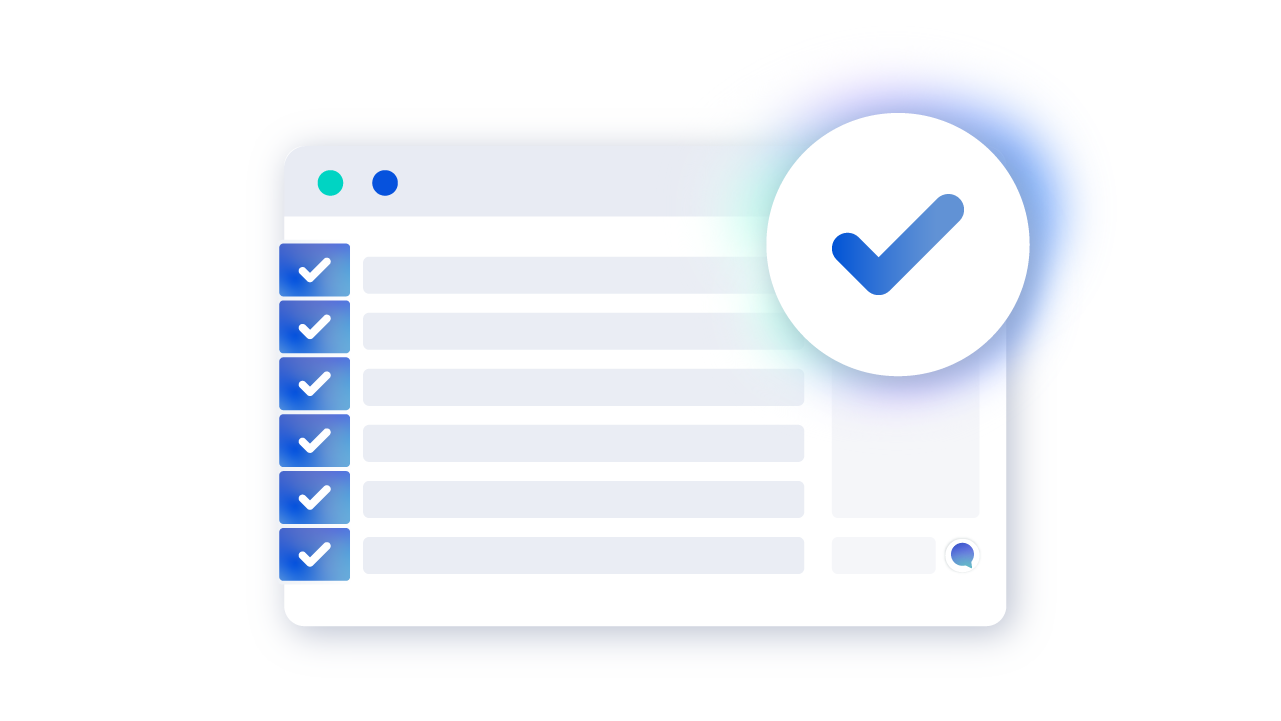
Centralized task management and visibility
Bring all close activities into a single, real-time view. Teams know what needs to happen, when, and by whom – without spreadsheets or status calls.
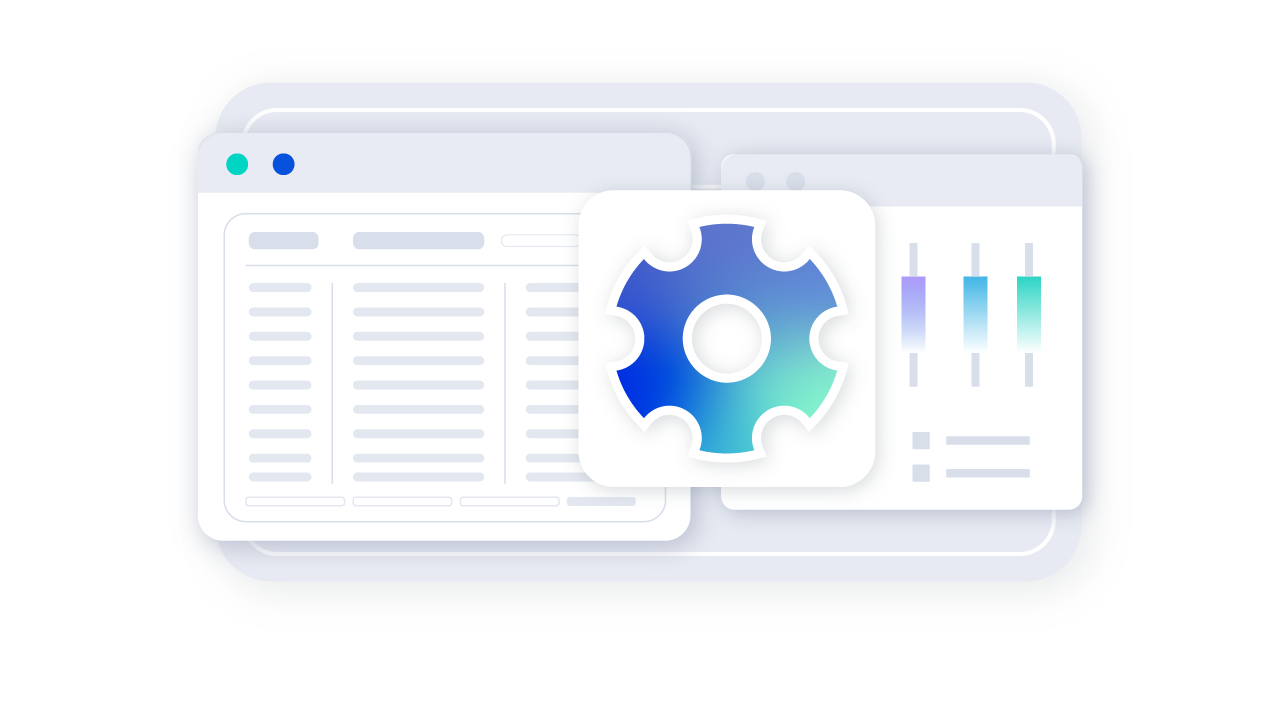
Intelligent dependency and workflow management
Define task dependencies so workflows in the correct sequence automatically. When upstream activity is completed, downstream work moves forward without manual coordination.
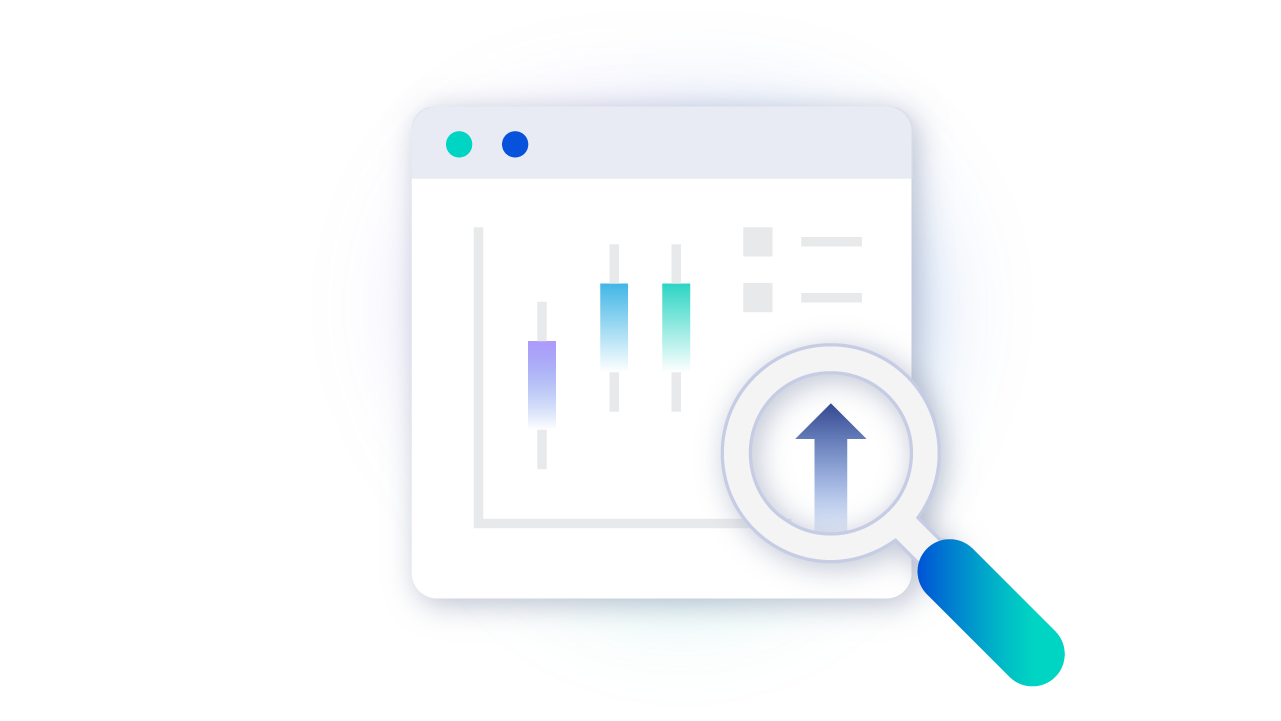
Real-time dashboards and alerts
Surface bottlenecks, delays, and risks as they emerge. Proactive alerts notify the right people at the right time, keeping the close on track.
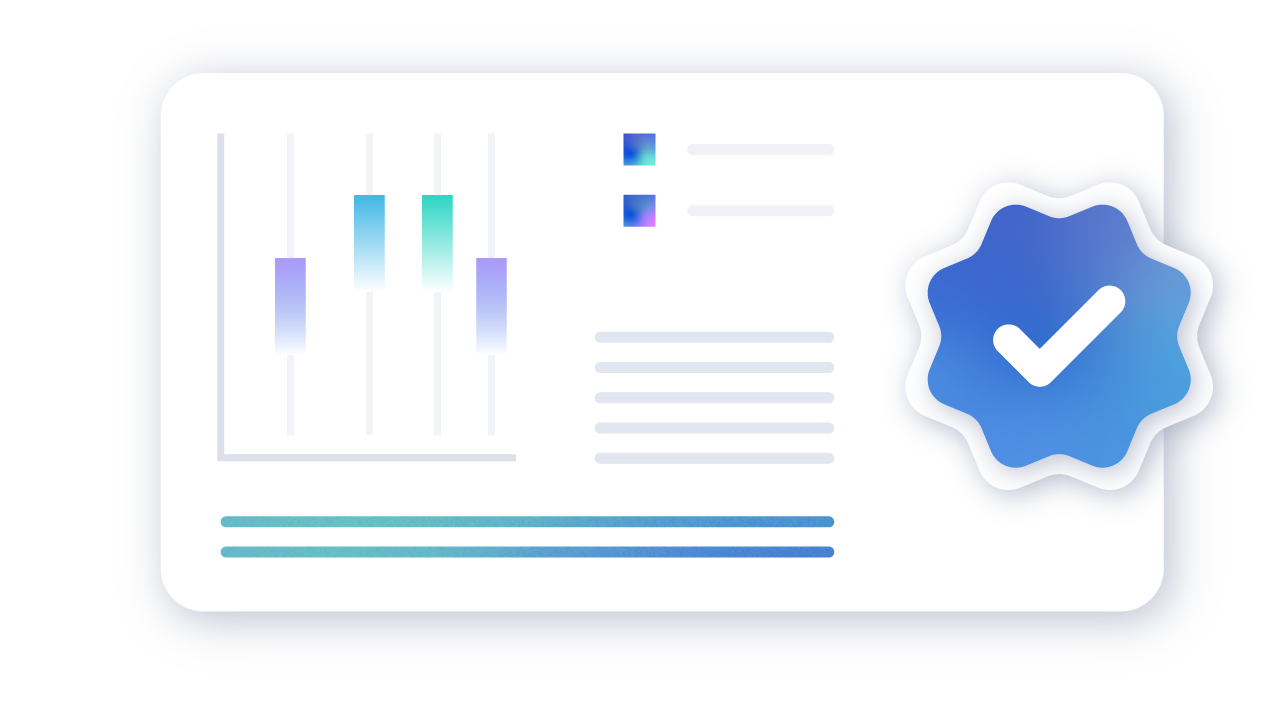
Embedded approvals and controls
Enforce segregation of duties and approval requirements directly within close workflows. Every sign-off is captured, time-stamped, and audit-ready.
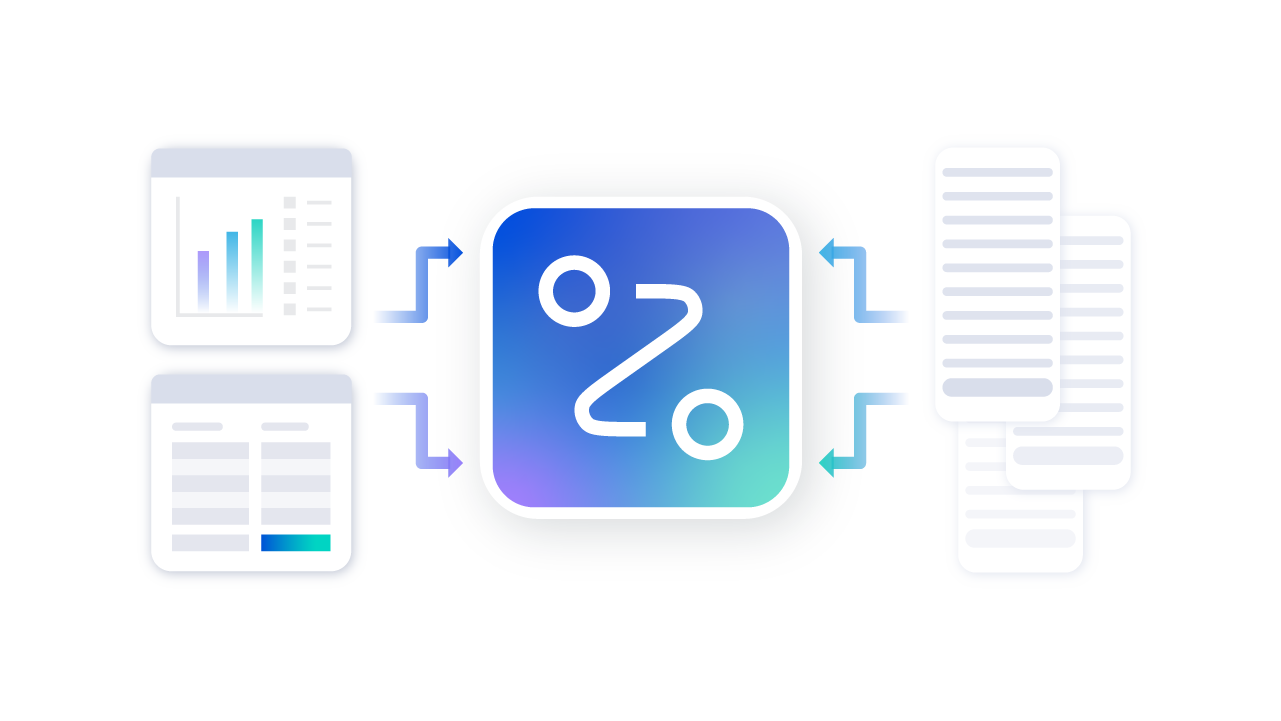
Centralized documentation and evidence
Attach workpapers, policies, and supporting evidence directly to tasks, creating a single source of truth for audits and reviews.
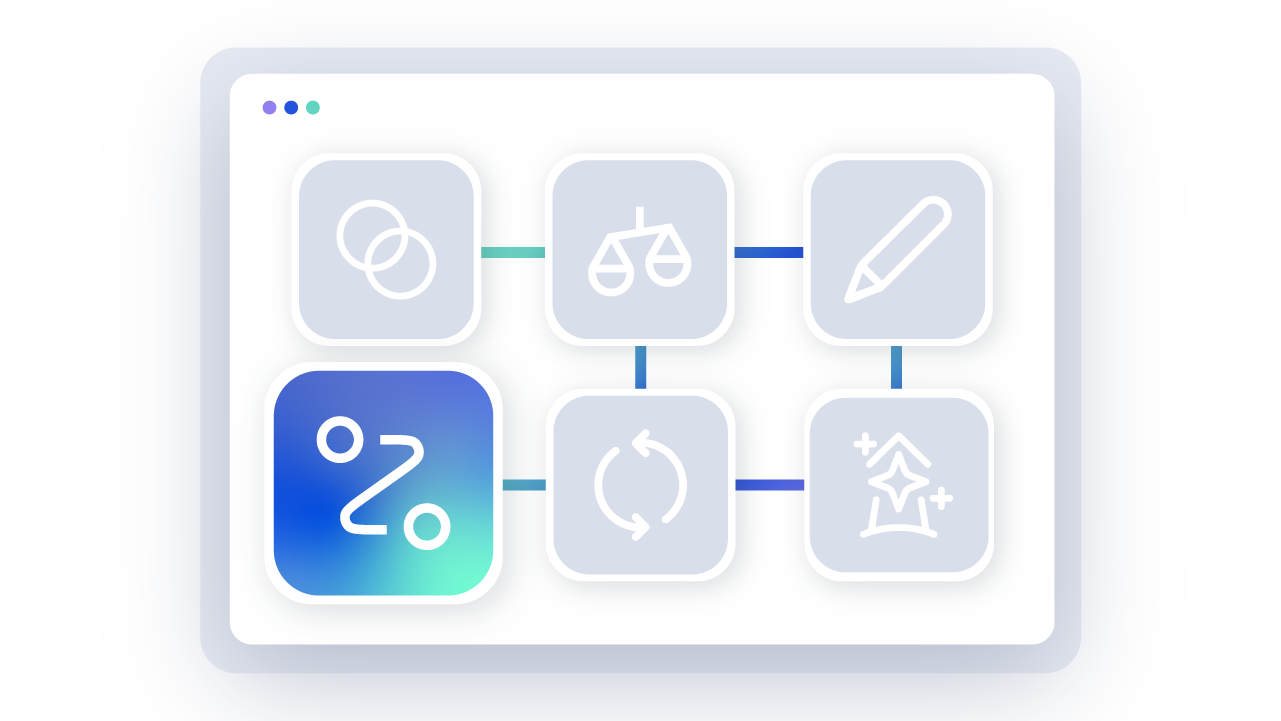
Connected execution across the platform
Orchestrate integrates directly with Match, Balance, and Journal, aligning task progress with reconciliation status and journal activity – so execution reflects reality, not assumptions.