Intercompany Accounting vs. Intercompany Reconciliation: What’s the Difference?
Blog post
Share
The terms intercompany accounting and intercompany reconciliation are often used interchangeably, but they don’t mean the same thing. While reconciliation is an important part of intercompany accounting, it’s only one step in the broader process of recording, managing, and eliminating transactions between related entities.
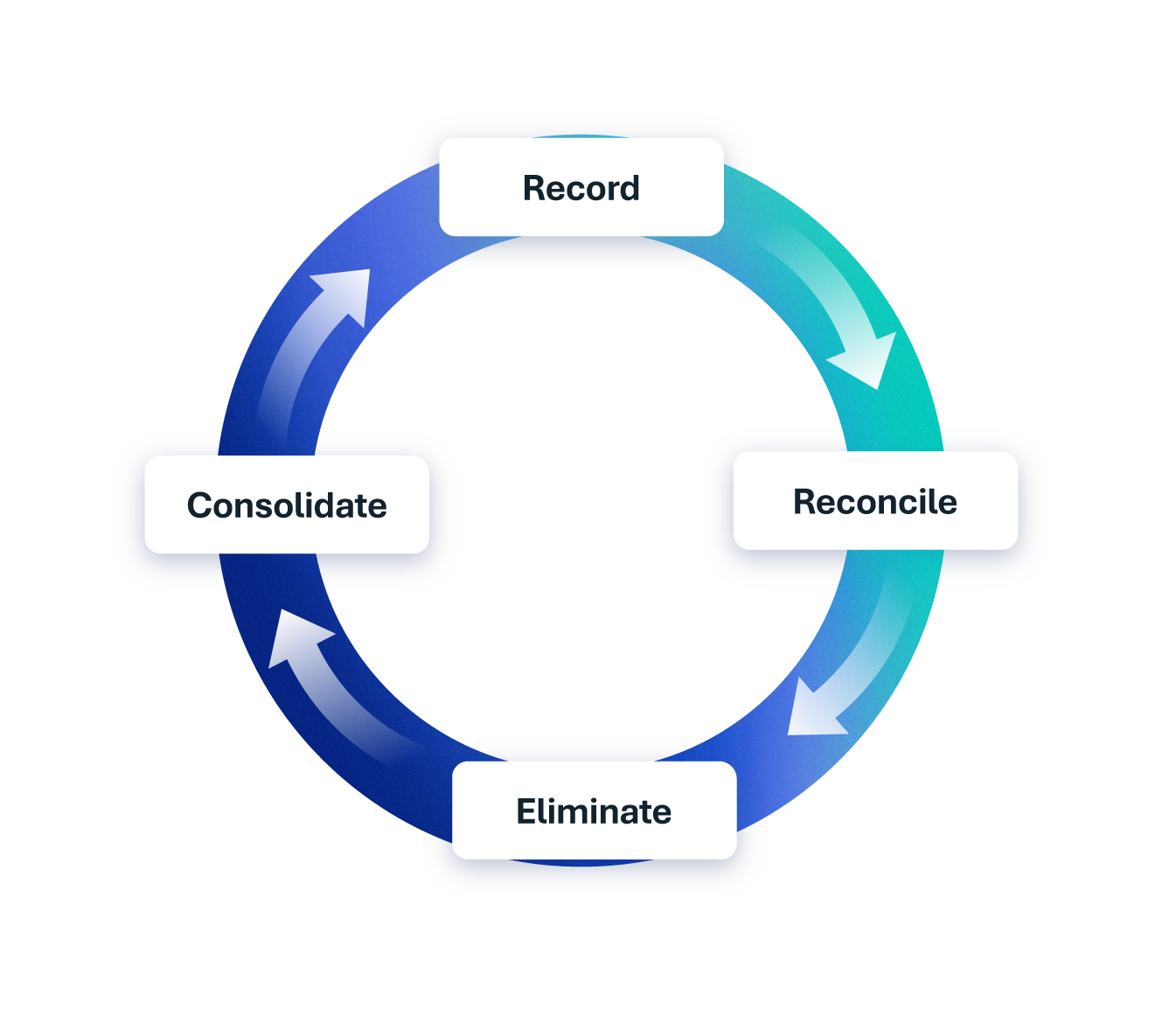
Understanding the distinction helps finance teams build more effective intercompany accounting processes.
What Is Intercompany Accounting?
Intercompany accounting is the process of recording, managing, reconciling, and eliminating financial transactions between legal entities within the same corporate group. It ensures that each entity accurately records its transactions while preventing revenue, expenses, assets, and liabilities from being overstated in the organization’s consolidated financial statements.
Intercompany accounting includes recording transactions, reconciling balances, preparing elimination entries, and producing accurate consolidated financial statements. Intercompany reconciliation is one important step within this broader process—but it is not the entire process.
What Is Intercompany Reconciliation?
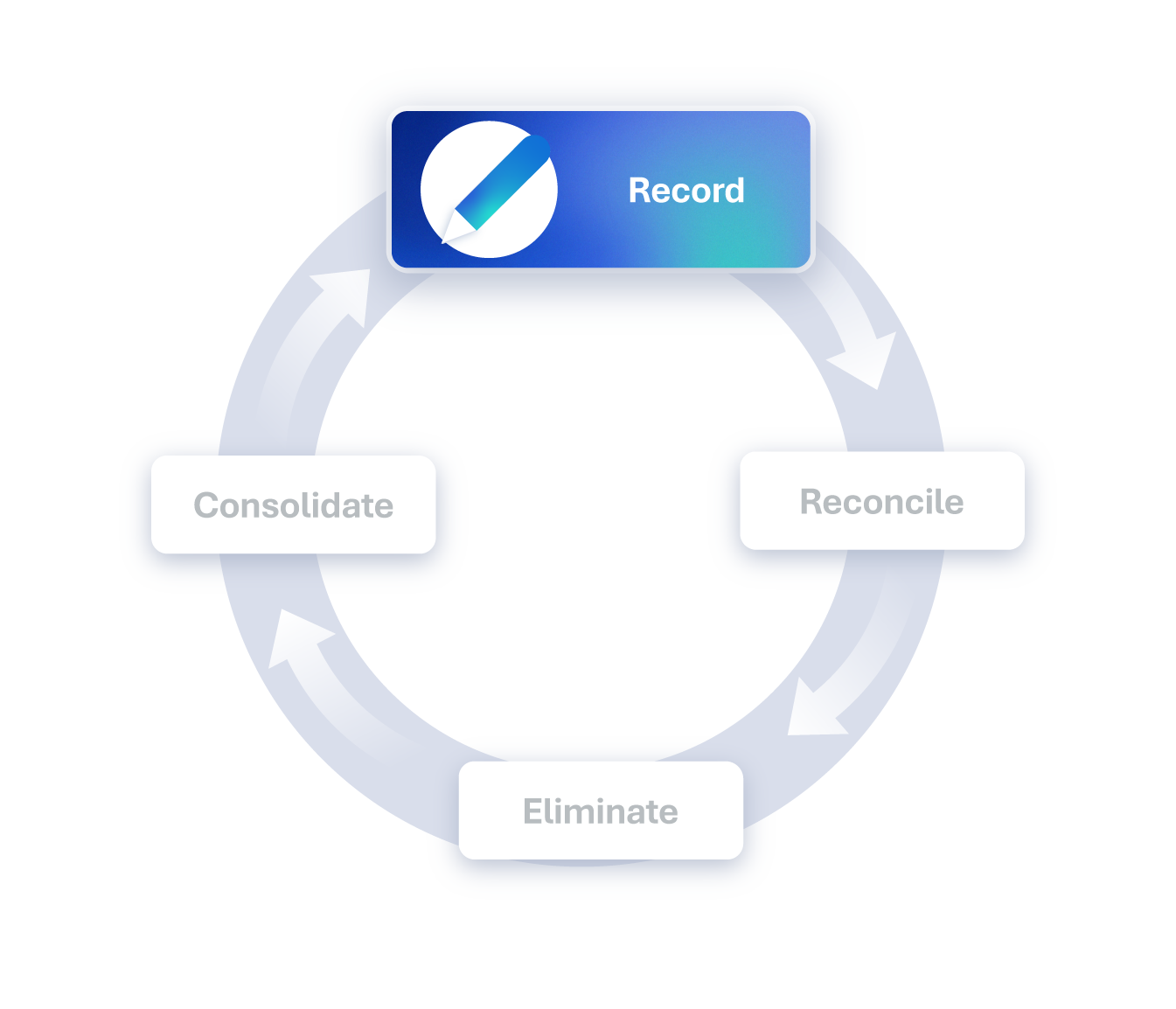
Intercompany reconciliation is the process of comparing and matching intercompany transactions recorded by two related entities to ensure they agree before financial consolidation. Its primary purpose is to identify and resolve differences in transaction amounts, timing, currencies, or supporting documentation, so both sides of the transaction are accurately reflected.
Intercompany reconciliation typically occurs throughout the accounting period and during the financial close. By resolving discrepancies before consolidation, finance teams can improve reporting accuracy and avoid reducing close delays. It is a critical component of intercompany accounting, but only one step in the broader process.
Intercompany Accounting vs. Intercompany Reconciliation
| Intercompany Accounting | Intercompany Reconciliation |
| Broader accounting process | One step within that process |
| Includes recording, reconciliation, eliminations | Focuses on matching transactions |
| Covers entire financial close | Happens before consolidation |
| Strategic process | Operational activity |
How Does Intercompany Reconciliation Fit into the Intercompany Accounting Process?
Intercompany reconciliation is one step within the broader intercompany accounting process. Every intercompany transaction moves through a series of activities that ensure it is accurately reflected in both the individual entities’ books and the organization’s consolidated financial statements.
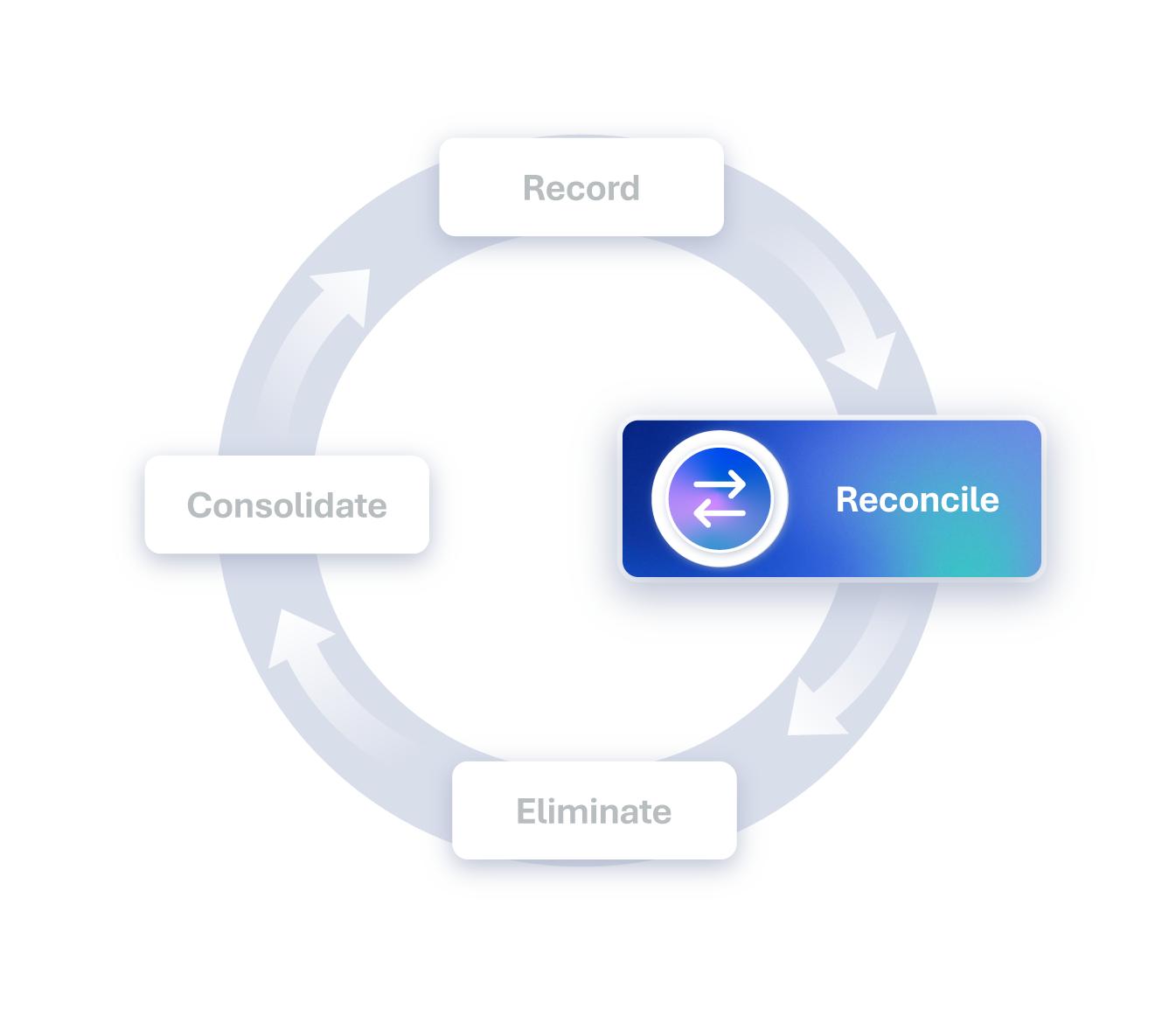
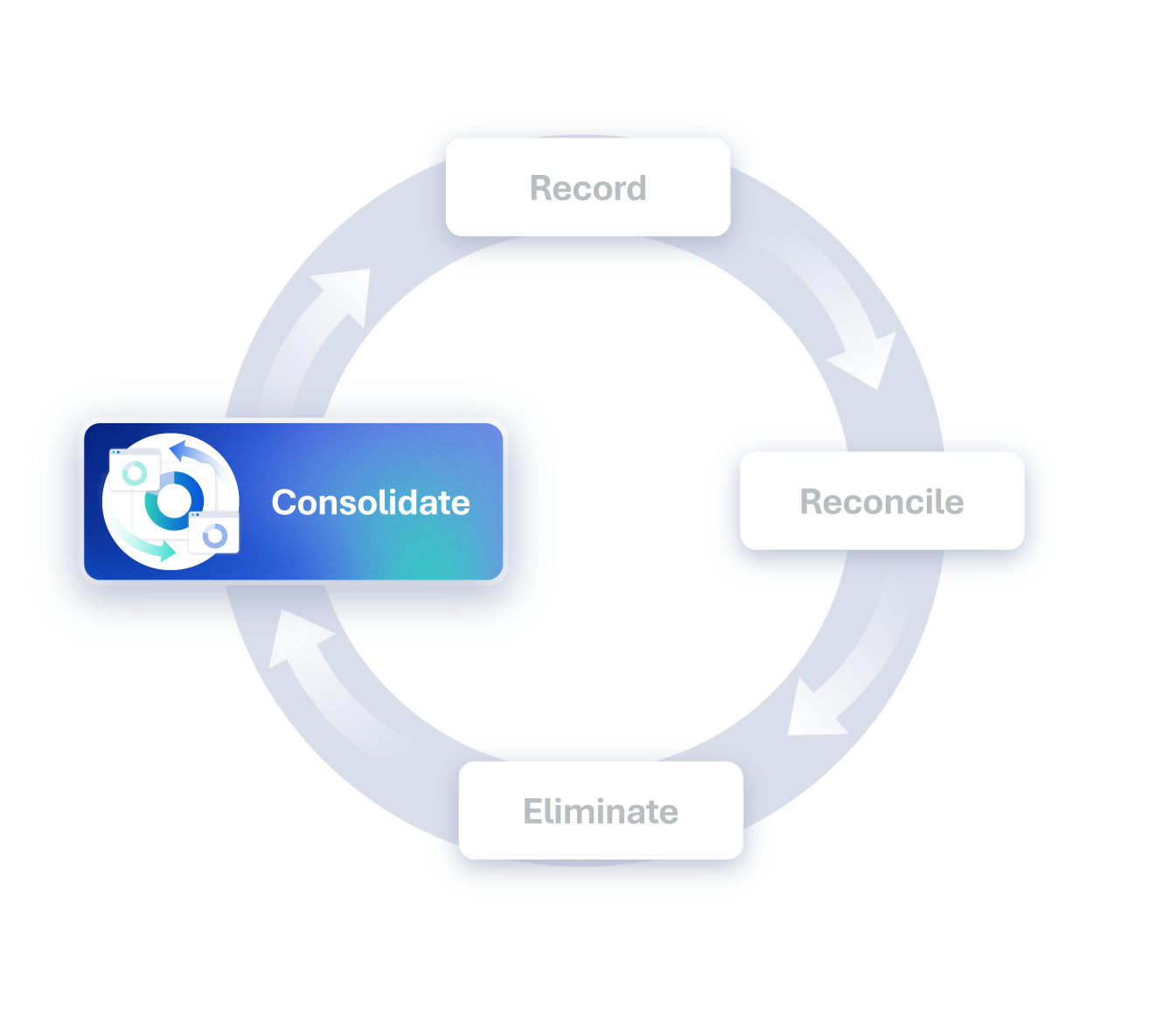
The process typically follows this sequence:
- Record intercompany transactions.
- Reconcile balances and resolve discrepancies.
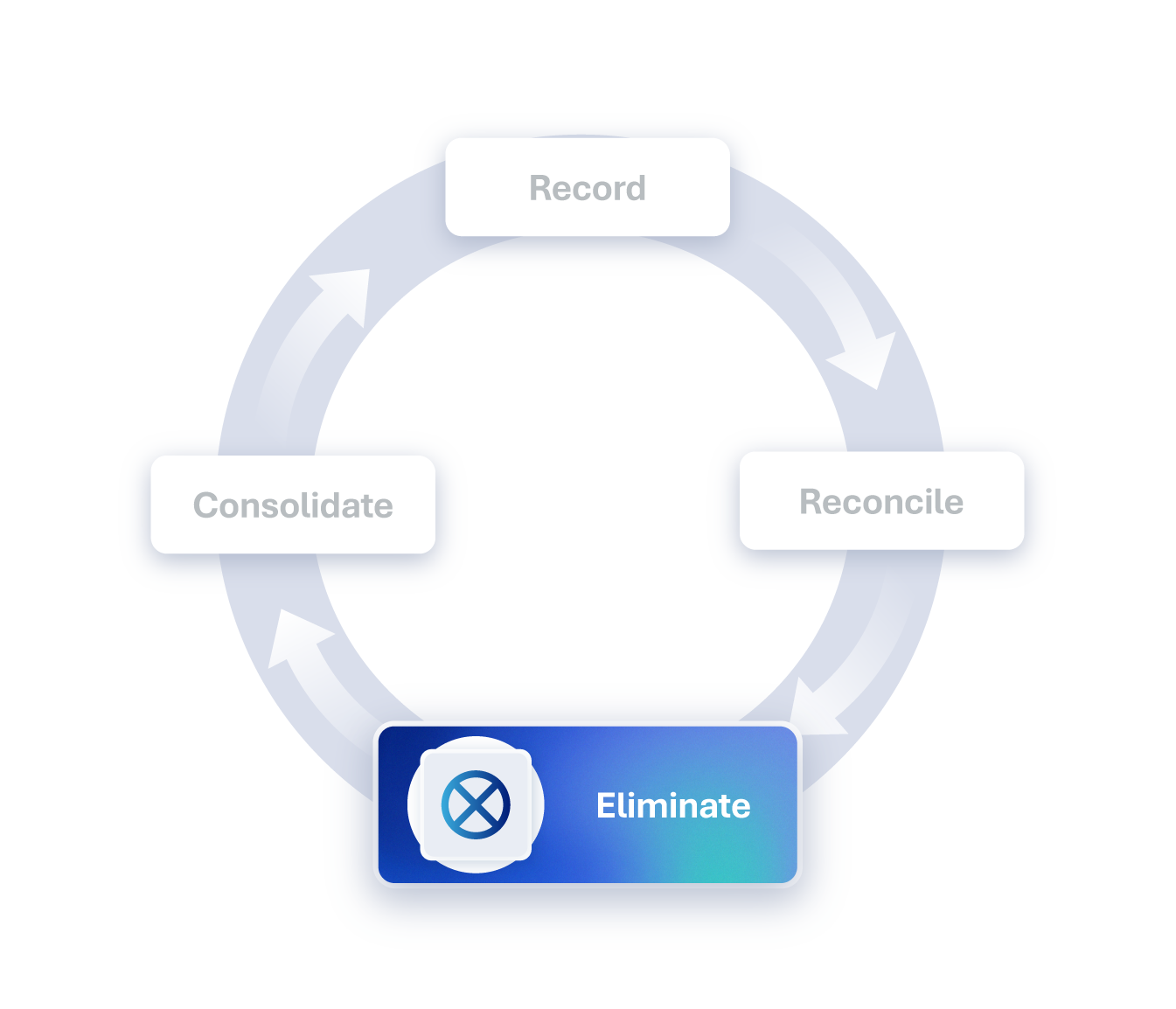
- Eliminate intercompany balances during consolidation.
- Prepare consolidated financial statements.
Intercompany reconciliation occurs during the second step, helping ensure transactions are accurate before eliminations and financial reporting take place.
How Do Intercompany Eliminations Fit into the Process?
Intercompany eliminations occur after intercompany reconciliation and before consolidated financial statements are prepared. Once finance teams have resolved any discrepancies, the corresponding intercompany balances can be eliminated during consolidation.
Reconciliation confirms the transaction is accurate, while elimination removes its impact from the consolidated financial statements. Both activities are essential, but they serve different purposes within the broader intercompany accounting process.
Learn more: Explore our guide to Intercompany Eliminations to understand how elimination entries are prepared and why they’re critical to accurate financial reporting.
How Does Intercompany Netting Fit into the Process?
Intercompany netting is related to—but separate from—intercompany reconciliation. While reconciliation ensures transactions are accurate, netting reduces the number of payments exchanged between related entities by settling only the net balance.
Together, reconciliation and netting improve operational efficiency, but they serve different purposes within the broader intercompany accounting process.
When Does Intercompany Accounting Software Become Necessary?
As organizations grow, the complexity of intercompany accounting often outpaces manual processes. What works for a handful of entities and relatively low transaction volumes can become increasingly difficult to manage as organizations add business units, operate across multiple ERP systems, expand internationally, or grow through acquisitions.
Intercompany accounting software becomes valuable when finance teams spend more time reconciling transactions than analyzing results, unresolved discrepancies begin delaying the financial close, or a lack of visibility makes it difficult to identify and resolve issues across entities. Rather than replacing sound accounting practices, software helps organizations apply them more consistently and at scale.
Solutions like Trintech help finance teams standardize workflows, automate reconciliation, improve visibility, and strengthen financial controls throughout the record-to-report process.
Written By: Lindsay Rose, Senior Manager, Content Marketing