What Are Intercompany Eliminations? A Guide to Accurate Financial Consolidation
Blog post
Share
Intercompany transactions are a normal part of doing business for organizations with multiple legal entities. Before consolidated financial statements can be prepared, however, organizations must remove the financial impact of those internal transactions through intercompany eliminations.
This guide explains what intercompany eliminations are, why they’re necessary, how they fit into the consolidation process, and why they become more challenging as organizations grow.
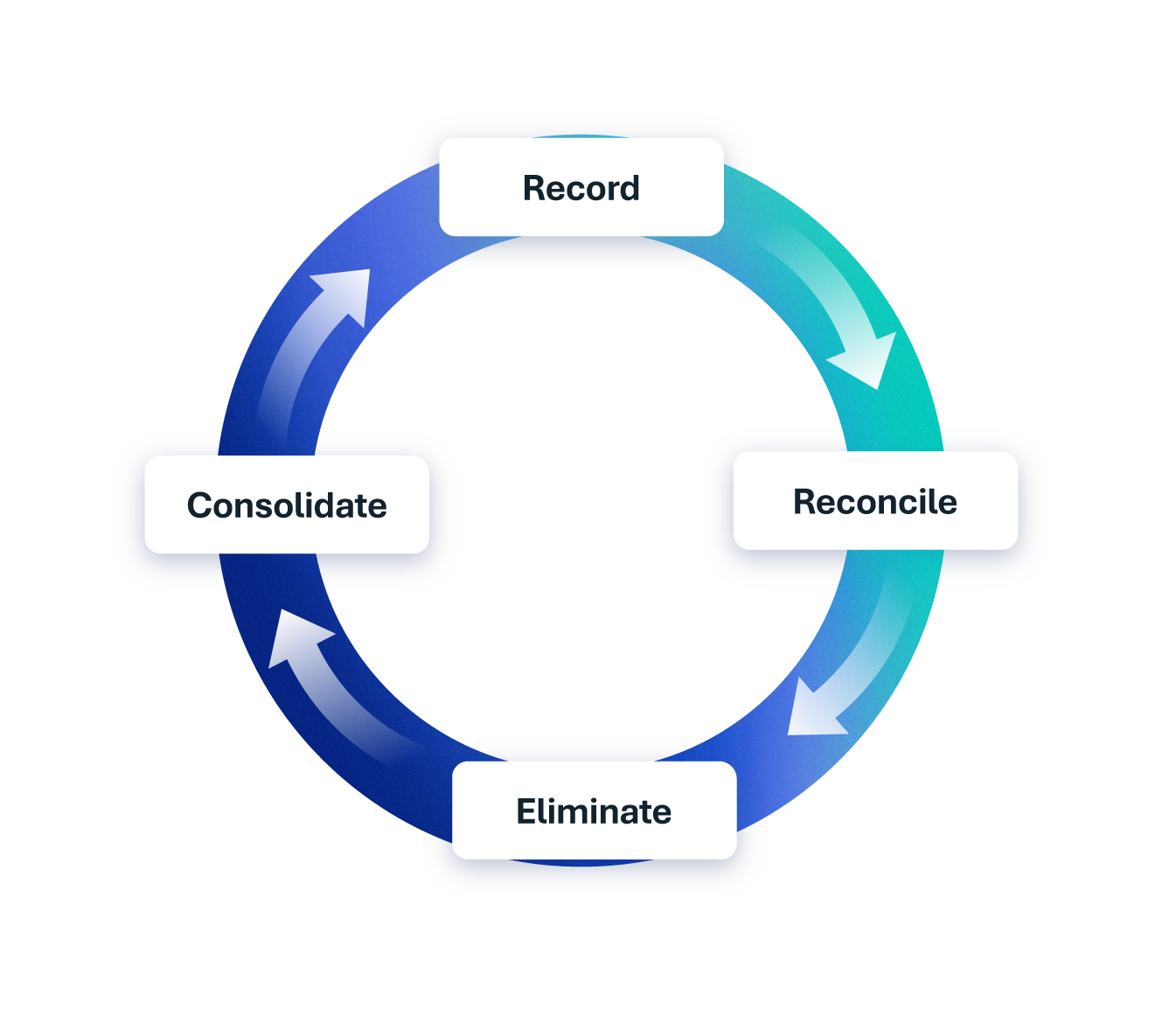
What Are Intercompany Eliminations?
Intercompany eliminations are accounting entries made during financial consolidation to remove the financial effects of transactions between related entities within the same corporate group. Their purpose is to ensure consolidated financial statements reflect only transactions with external customers, vendors, and other third parties.
Although each legal entity records intercompany transactions in its own accounting records, those transactions do not represent new revenue, expenses, assets, or liabilities for the organization as a whole. During consolidation, intercompany eliminations remove those internal balances so they are not counted twice in the consolidated financial statements.
Intercompany eliminations rely on accurate intercompany reconciliation and help ensure consolidated financial statements accurately reflect the organization’s financial position.
Why Are Intercompany Eliminations Necessary?
Intercompany eliminations are necessary because transactions between related entities do not represent economic activity with an outside party. While each legal entity must accurately record its side of the transaction, the organization as a whole cannot recognize revenue, expenses, assets, or liabilities created by doing business with itself.
For example, if one subsidiary sells inventory to another subsidiary, the selling entity correctly records revenue and the purchasing entity correctly records inventory or cost of goods sold. However, from the perspective of the consolidated organization, no sale to an external customer has occurred. Without an intercompany elimination, that internal transaction would be counted in the consolidated financial statements, overstating the organization’s financial results.
By eliminating intercompany transactions during consolidation, accounting teams ensure the organization’s financial statements accurately reflect only external business activity. This helps prevent double counting, improves reporting accuracy, and supports compliance with applicable accounting standards.
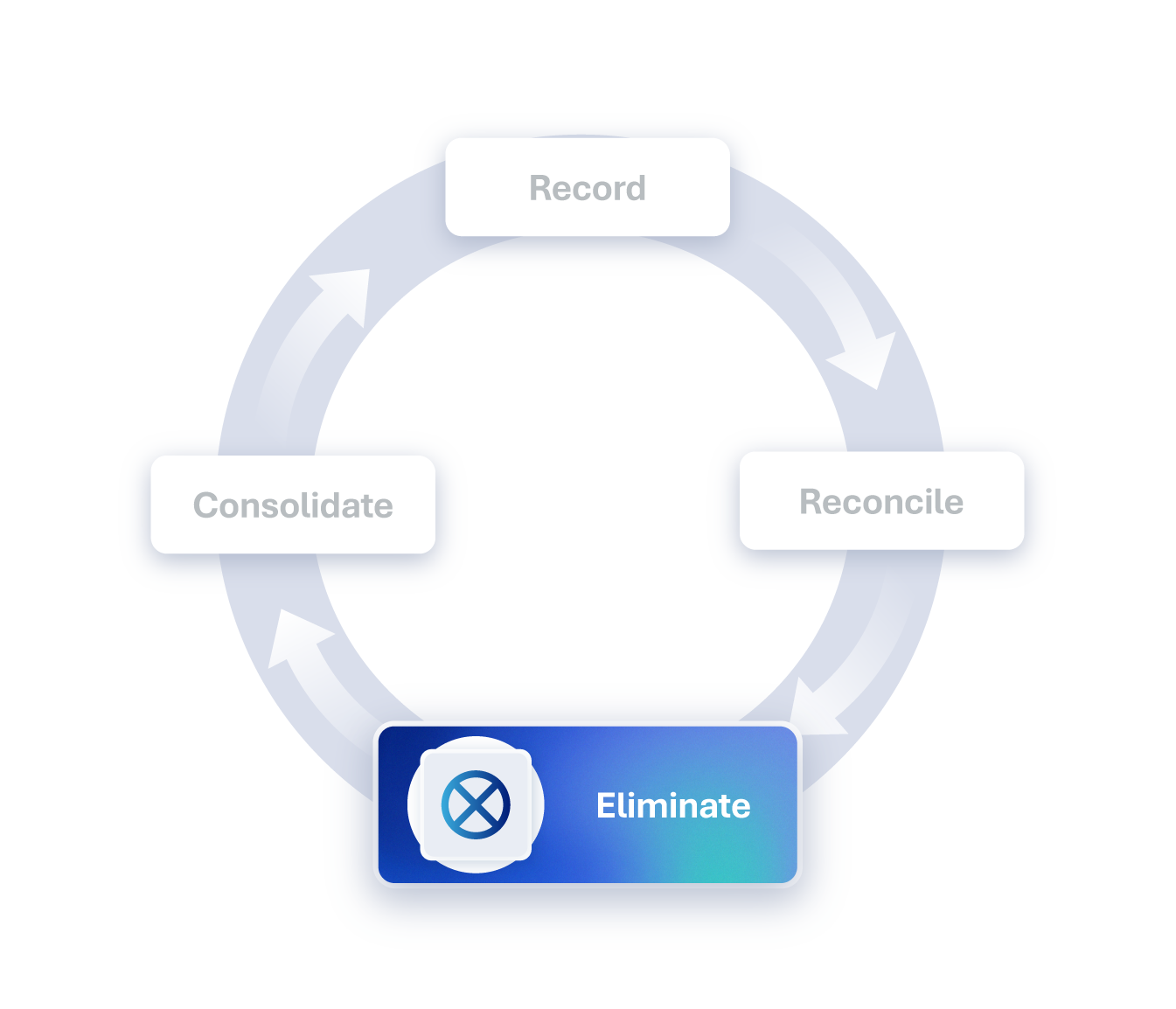
What Types of Transactions Are Eliminated?
The following intercompany transactions commonly require elimination during financial consolidation:
- Intercompany sales of goods between subsidiaries
- Shared service charges for functions such as accounting, HR, or IT
- Management fees and corporate cost allocations
- Intercompany loans and related interest
- Royalties and licensing fees for intellectual property
- Fixed asset transfers between entities
- Dividends paid between related entities
Each transaction type has unique accounting considerations and may require different elimination entries during consolidation.
Learn more: Explore our guide to Intercompany Transactions to understand the different transaction types and their accounting considerations.
How Are Intercompany Transactions Eliminated During Consolidation?
Intercompany transactions are eliminated during financial consolidation after they have been recorded by each legal entity and reconciled to ensure both sides of the transaction agree. Once accounting teams have resolved any discrepancies, elimination entries remove the financial impact of those internal transactions from the consolidated financial statements.
Although the overall process is consistent, the elimination entries themselves vary depending on the transaction type. Eliminating an intercompany inventory sale, for example, requires different accounting treatment than eliminating an intercompany loan or management fee.
Learn more: Explore our guide to Intercompany Accounting Journal Entries to see examples of common elimination entries and how they’re recorded.
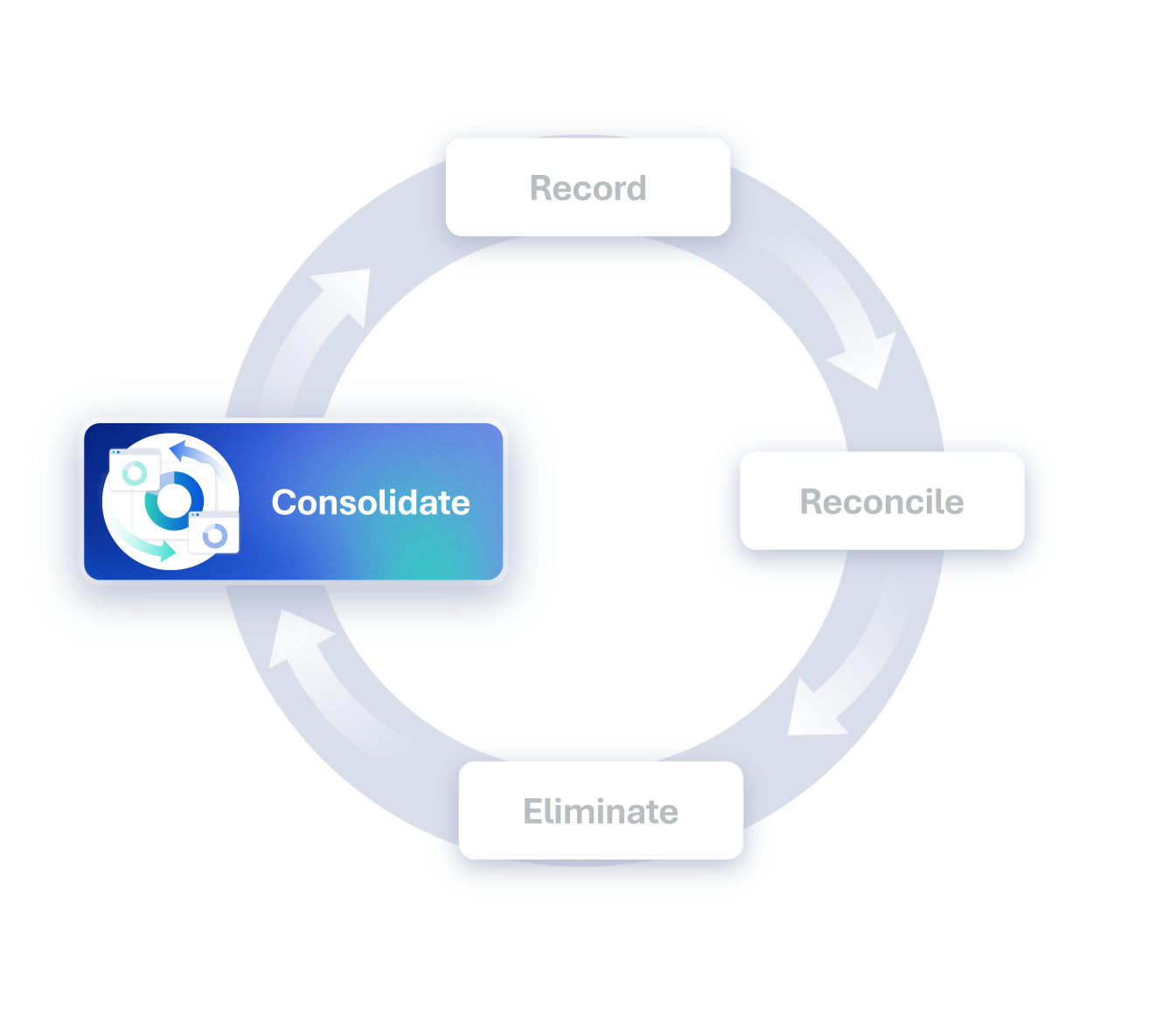
Why Are Intercompany Eliminations Challenging?
Intercompany eliminations become more difficult as organizations grow. Every additional legal entity, ERP system, and intercompany transaction increases the effort required to ensure internal balances have been accurately reconciled and eliminated before consolidated financial statements are prepared.
Some of the most common challenges include:
High transaction volumes. Large organizations may process thousands of intercompany transactions each accounting period, making manual eliminations increasingly time-consuming.
Multiple ERP systems. Organizations that grow through acquisitions often inherit different financial systems, creating inconsistencies that complicate consolidation.
Unresolved reconciliation differences. Elimination entries rely on accurate, reconciled data. Any unresolved discrepancies must be investigated before eliminations can be completed.
Manual processes. Spreadsheets and manual journal entries increase the risk of errors, duplicate work, and delays during the financial close.
Without standardized processes and strong financial controls, intercompany eliminations can quickly become a bottleneck during consolidation.
Learn more: Explore our guide to Intercompany Accounting Challenges to learn more about the common obstacles accounting organizations face and strategies for overcoming them.
How Can Accounting Organizations Simplify Intercompany Eliminations?
Purpose-built intercompany accounting software helps simplify eliminations by automating reconciliation, supporting elimination workflows, and providing greater visibility into outstanding balances and exceptions. Solutions like Trintech enable accounting organizations to standardize the elimination process, reduce manual effort, and improve the accuracy of consolidated financial reporting.
Written By: Lindsay Rose, Senior Manager, Content Marketing
Related Resources
Understanding Intercompany Transactions: Types, Examples, and Accounting Considerations
Intercompany Accounting Challenges: Answers to the Questions Every Accounting Team Asks